Feeling Left Behind by AI? Your Step-by-Step Plan to Catch Up in 30 Days
A year ago, AI felt like something you could safely wait and watch. Today it feels like everyone around you is using it — colleagues, competitors, students, small business owners — and the gap is growing. If you feel genuinely behind and are not sure where to start, this post is written specifically for you. There is no jargon here. No assumptions. Just a clear, realistic 30-day plan to go from AI beginner to confident, practical AI user.
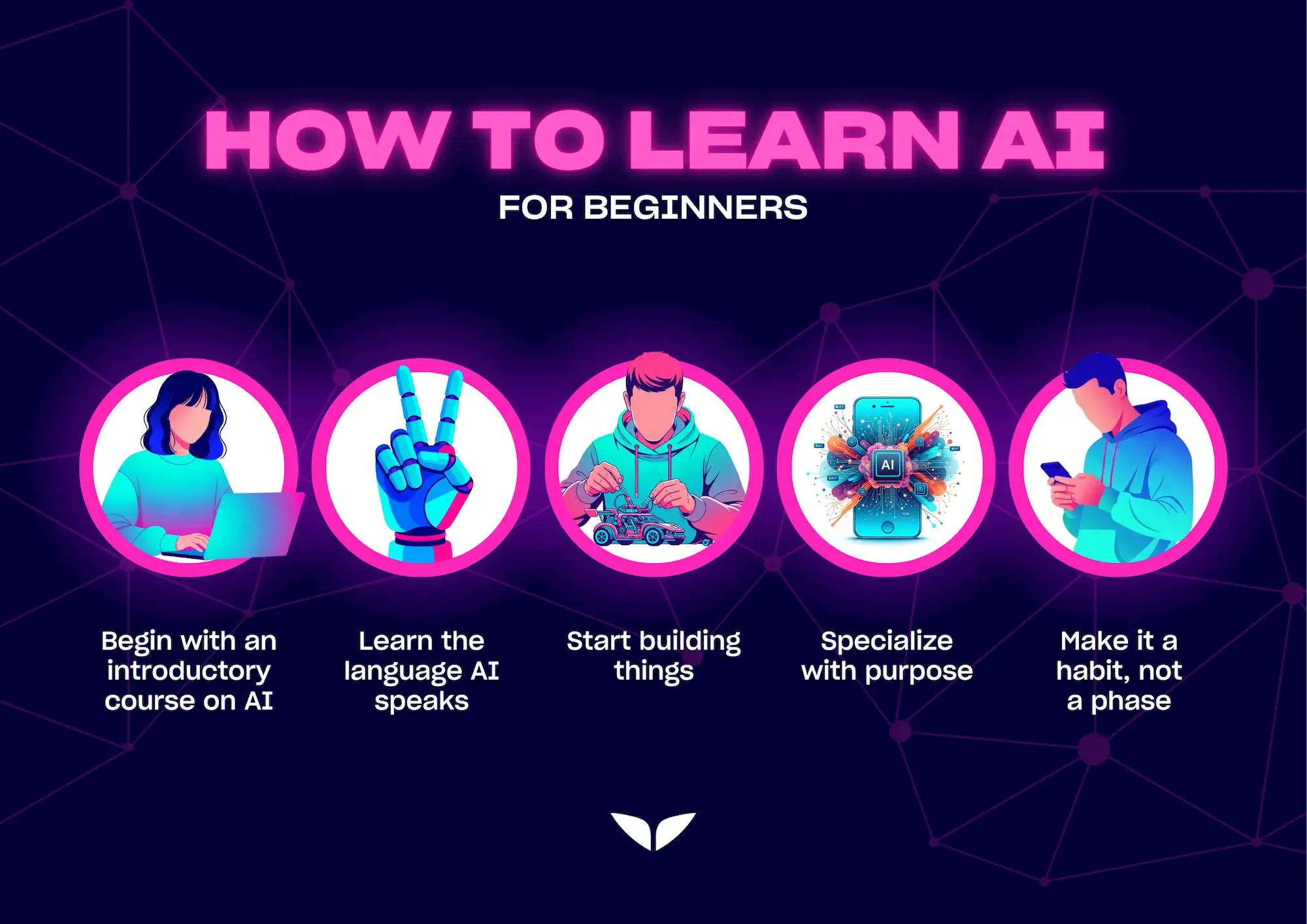
Week 1 — Understand Before You Use
Days 1–7 are about building mental foundations, not technical skills. You do not need to understand how AI works at a code level. You need to understand what it is good at, what it is bad at, and where it fits into your life or work. Spend 20 minutes reading about what language models do. Try a simple conversation with ChatGPT Free — ask it to explain something you already know well, so you can judge how accurate it is. Notice what impresses you and what falls short.
Week 2 — Pick One Problem and Solve It
Days 8–14 are about your first real use case. Think of one task in your week that is repetitive, time-consuming, and does not require your full creativity. Maybe it is writing email replies, summarising meeting notes, drafting social media captions, or researching a topic. Spend this week using AI to handle that one task. Do not try to automate your entire life. One task, done well, will teach you more than ten tasks done poorly.
Week 3 — Learn Prompting Basics
Days 15–21 are for developing your prompting skill. Review the 4-part formula from Post 04 of this series. Practice applying it to the use case you chose in Week 2. Then try it on two or three different types of tasks — one creative (writing), one analytical (summarising or comparing), one practical (planning or research). Keep a simple notes document of the prompts that worked best.
Week 4 — Add One Tool Per Day
Days 22–30 are for expanding your toolkit. Try Perplexity for research. Try NotebookLM if you are a student or do a lot of reading. Try Canva AI if you create visuals. Try Gamma for presentations. Each tool takes 15–30 minutes to get comfortable with. By the end of week four, you will have a practical toolkit of five or six AI tools and know exactly when to use each one.
Realistic Expectations
At the end of 30 days you will not be an AI developer or a prompt engineering genius. You will be someone who uses AI confidently for three to five real tasks in their work or daily life, saving meaningful time each week. That is the actual goal — and it is completely achievable in one month, starting today.


Comments
Post a Comment