Your Car Now Has a Brain: Google Gemini Rolls Out to Millions of Vehicles
You probably already use AI on your phone, in your search results, and maybe even at work. But as of April 30, 2026, millions of drivers are discovering a new place where artificial intelligence has quietly arrived: right inside their car's dashboard.
Google has officially begun rolling out Gemini — its most powerful AI assistant — to vehicles equipped with Google's built-in software, replacing the older Google Assistant that has been in cars since 2020. The change might sound like a minor upgrade, but for anyone who has ever struggled with a frustrating voice assistant while driving, the difference is transformative.
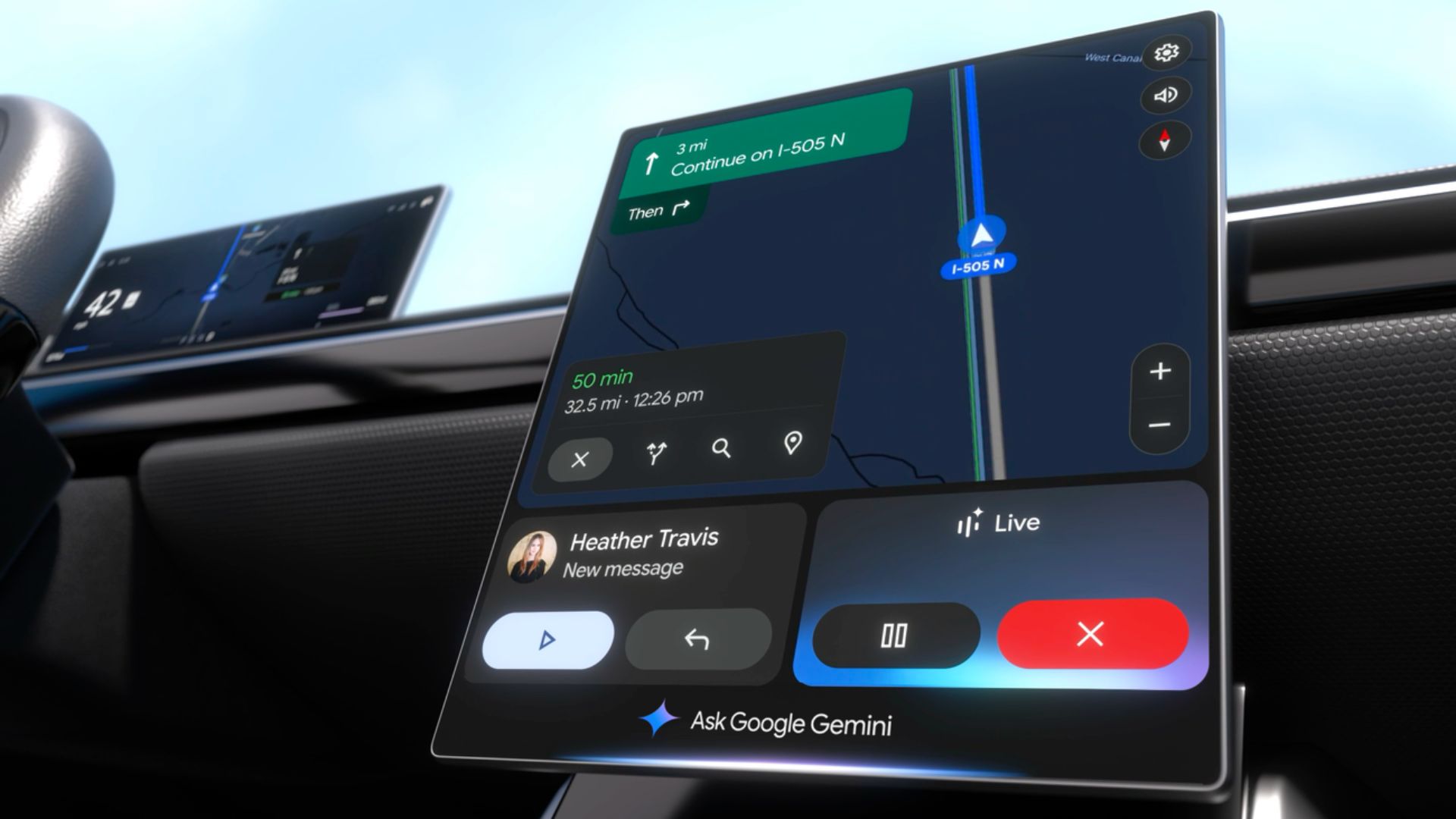
What Is "Cars with Google Built-In"?
Since 2020, Google has partnered with car manufacturers to embed its services directly into vehicle infotainment systems — not through a phone plug-in, but natively inside the car itself. This means Google Maps, Google Play, and now Gemini are running directly on the car's hardware. You don't need to connect your phone for any of it to work.
The brands covered are wider than many people realize. General Motors confirmed that approximately 4 million vehicles from model year 2022 and newer — spanning Cadillac, Chevrolet, Buick, and GMC — are eligible for the Gemini upgrade. Volvo and Polestar have also confirmed rollouts across their electric vehicle lineups. And Google's announcement made clear that this is not limited to GM; more automakers will follow.
What Changes When Gemini Arrives in Your Car?
The old Google Assistant required rigid voice commands. You had to say the right words in the right order or risk the assistant misunderstanding you. Gemini is fundamentally different — it understands natural, conversational language just like a knowledgeable person sitting next to you would.
Here are some practical examples of what changes:
- Finding places: Instead of saying "Navigate to Italian restaurants," you can say, "I want to grab lunch at a nice sit-down Italian place with outdoor seating, and I'm not in a rush." Gemini understands all of that.
- Vehicle-specific questions: Google has integrated Gemini with your car's owner's manual. Ask questions like, "How do I stop my trunk from opening all the way in my low garage?" and get an answer specific to your exact vehicle model.
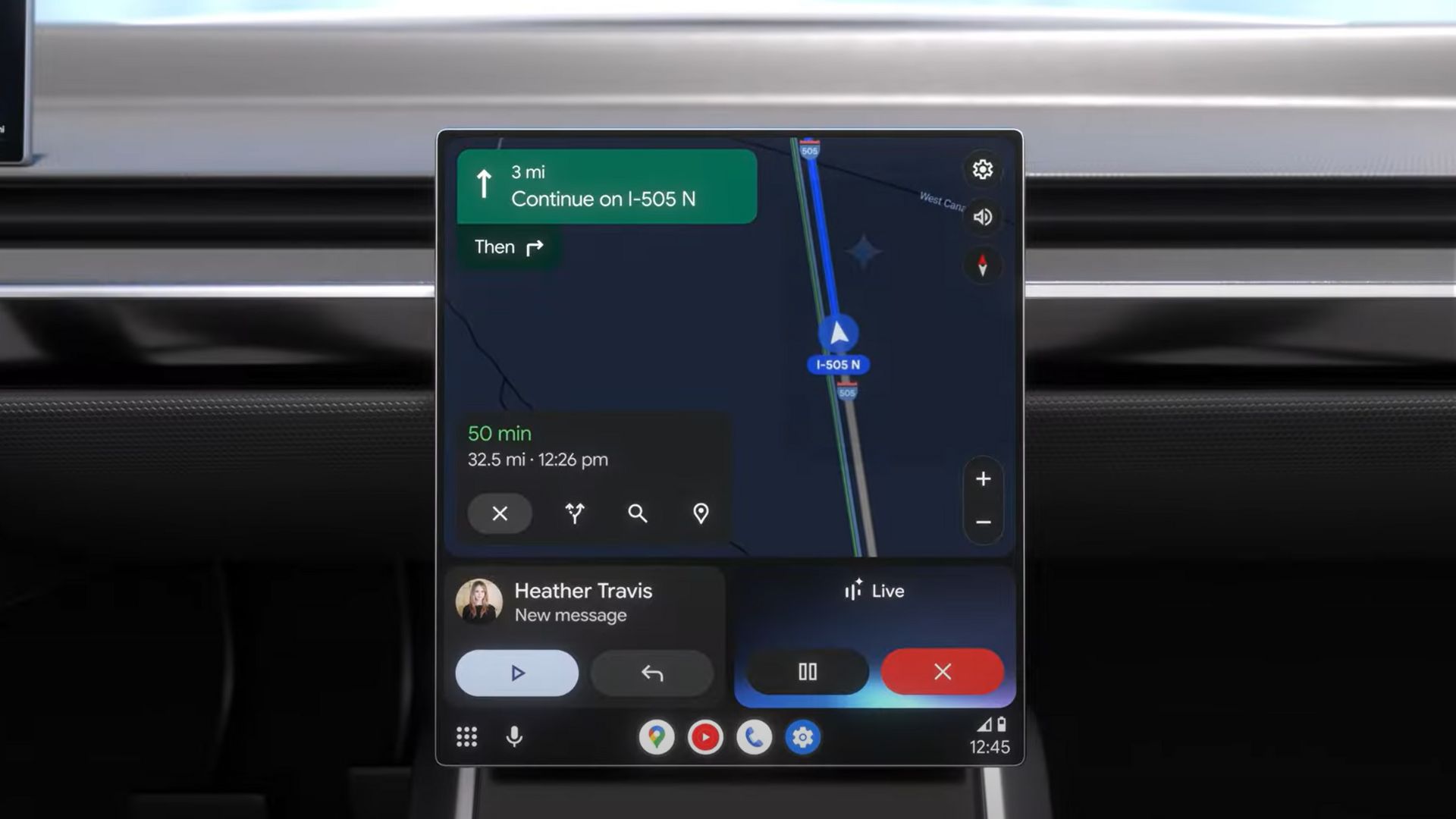
- Message management: Gemini can read your incoming messages aloud, summarize them, and help you respond hands-free — including adding emojis to texts.
- EV battery intelligence: Electric vehicle owners can ask about current charge levels, estimated battery percentage on arrival, and find nearby charging stations — all through conversation.
- Entertainment: Ask for a road trip playlist, recommend a podcast that fits the time left in your journey, or stream a show while you wait at a charging stop.
✅ Good News: The Gemini upgrade is arriving via over-the-air software updates — meaning your existing car gets smarter without any new hardware purchase or dealer visit.
.jpg)
How Do You Get It?
If your car has Google built-in and you are signed into your Google account in the vehicle, keep an eye on your dashboard. You should receive a prompt offering the upgrade to Gemini. Once you accept, accessing the assistant works exactly as before — say "Hey Google," tap the microphone icon, or press the voice button on your steering wheel. The Gemini logo will replace the old Google Assistant symbol.
The rollout is beginning in English for users in the United States. Google has confirmed that more languages and regions will follow over the coming months.
Is This Safe? What About Privacy?
These are fair questions. Voice assistants in cars have been studied for driver distraction, and the research is mixed. A 2016 study found that some voice tasks created surprisingly high mental workload. The counterargument — and Google's stated design goal — is that a more natural assistant reduces the need for drivers to look at screens, which is itself a major distraction source.
On privacy, it is worth noting that Google was previously involved in a $68 million settlement related to unauthorized data collection by its old voice assistant. With Gemini's deployment, privacy advocates are urging users to review their data-sharing settings and understand what information is being stored. Google states that drivers can opt in to the upgrade rather than having it forced upon them.
The Bigger Picture
This rollout is part of a much larger story about AI becoming embedded in every corner of daily life. The car has historically been one of the last personal spaces relatively free of digital interruption. As AI assistants become more conversational and capable, that is changing. Whether that is a welcome development or a concerning one likely depends on how thoughtfully these tools are designed — and how much control users retain.


Comments
Post a Comment