Is AI Taking Your Job? 8 Roles That AI Cannot Replace in 2026
The fear is real. Every week brings new headlines about AI replacing lawyers, accountants, writers, coders, and customer service agents. If you have ever wondered whether your job is safe — or whether you should be retooling your career before it is too late — you are not alone. A 2026 report from Stanford University found that entry-level roles for people aged 22 to 25 have declined fastest in AI-exposed industries, which is causing genuine anxiety among young workers worldwide

But here is what most headlines miss: AI is not replacing people uniformly. It is replacing specific tasks within jobs, while simultaneously creating new demands for the skills AI cannot replicate. Understanding the difference is the key to navigating your career in 2026 and beyond.
The 8 Roles Most Resistant to AI Replacement
- Mental health professionals and therapists. Trust, empathy, and the nuanced reading of human emotion are deeply interpersonal skills. While AI companions exist and can provide some support, the therapeutic relationship between a human counsellor and a patient involves forms of attunement that no current AI can replicate reliably or safely.
- Skilled trades workers — electricians, plumbers, mechanics. These jobs require physical presence, real-world problem-solving in unpredictable environments, and fine motor skills. A robot cannot replace a plumber diagnosing why pipes are vibrating in a 50-year-old building. Skilled trades are among the most AI-proof careers available.
- AI trainers and prompt engineers. Ironically, one of the safest careers in 2026 is working with AI itself — teaching models, writing training examples, and designing effective prompt systems. As AI becomes more embedded in business, the demand for people who can guide and improve it is growing fast.
- Creative directors and brand strategists. AI can generate content at scale, but the strategic and cultural judgment behind what a brand should stand for, how it should connect emotionally with its audience, and when to break conventions — these remain deeply human skills.
- Teachers and educators. While AI is transforming how people learn, the role of a skilled teacher involves mentorship, motivation, emotional support, and adaptive judgment that AI tools support but do not replace. The best educators in 2026 are those who use AI as a tool to personalise instruction while focusing their human energy on relationships and inspiration.
- Sales and relationship managers. High-stakes sales and long-term client relationships depend on trust built over time between people. AI can assist with research, follow-up, and proposal drafting, but the human who builds genuine rapport and navigates sensitive negotiations remains irreplaceable.
- Healthcare workers and surgeons. Medical diagnosis is an area where AI is making inroads, but the hands-on care, ethical judgment, and patient communication required in clinical medicine involve far more than pattern recognition. Surgeons, nurses, and doctors are in high demand and likely to remain so.
- AI ethicists and policy professionals. As AI becomes embedded in every area of life, the need for people who can evaluate its social impact, advise on regulation, and hold organizations accountable is growing rapidly. This is one of the fastest-growing career fields of the decade.
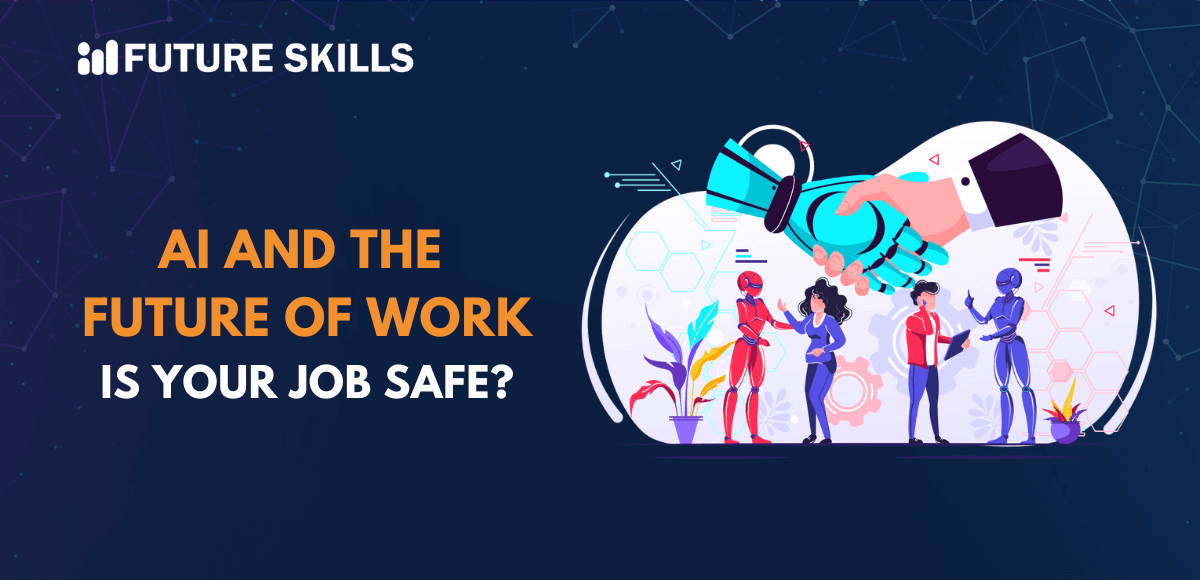
What You Should Do Right Now
The worst career strategy in 2026 is to wait and see. The workers thriving right now are those who have actively learned to use AI tools in their field — not because AI will replace them, but because colleagues who use AI are delivering more output, making fewer errors, and demonstrating more value. Learning to work alongside AI is not just a defensive move; it is a genuine competitive advantage.


Comments
Post a Comment