The Future of AI: What to Expect Over the Next 5 Years (2026-2030)
Artificial intelligence is developing at a pace that even its creators find difficult to predict. What seemed impossible five years ago — AI that writes novels, generates photorealistic video from text, assists surgeons in real time — is either already here or just around the corner. What can we realistically expect AI to look like by 2030? Based on current research trajectories, expert predictions, and visible trends, here is a thoughtful look at where AI is heading and what it means for all of us.
AI Agents Will Become Mainstream
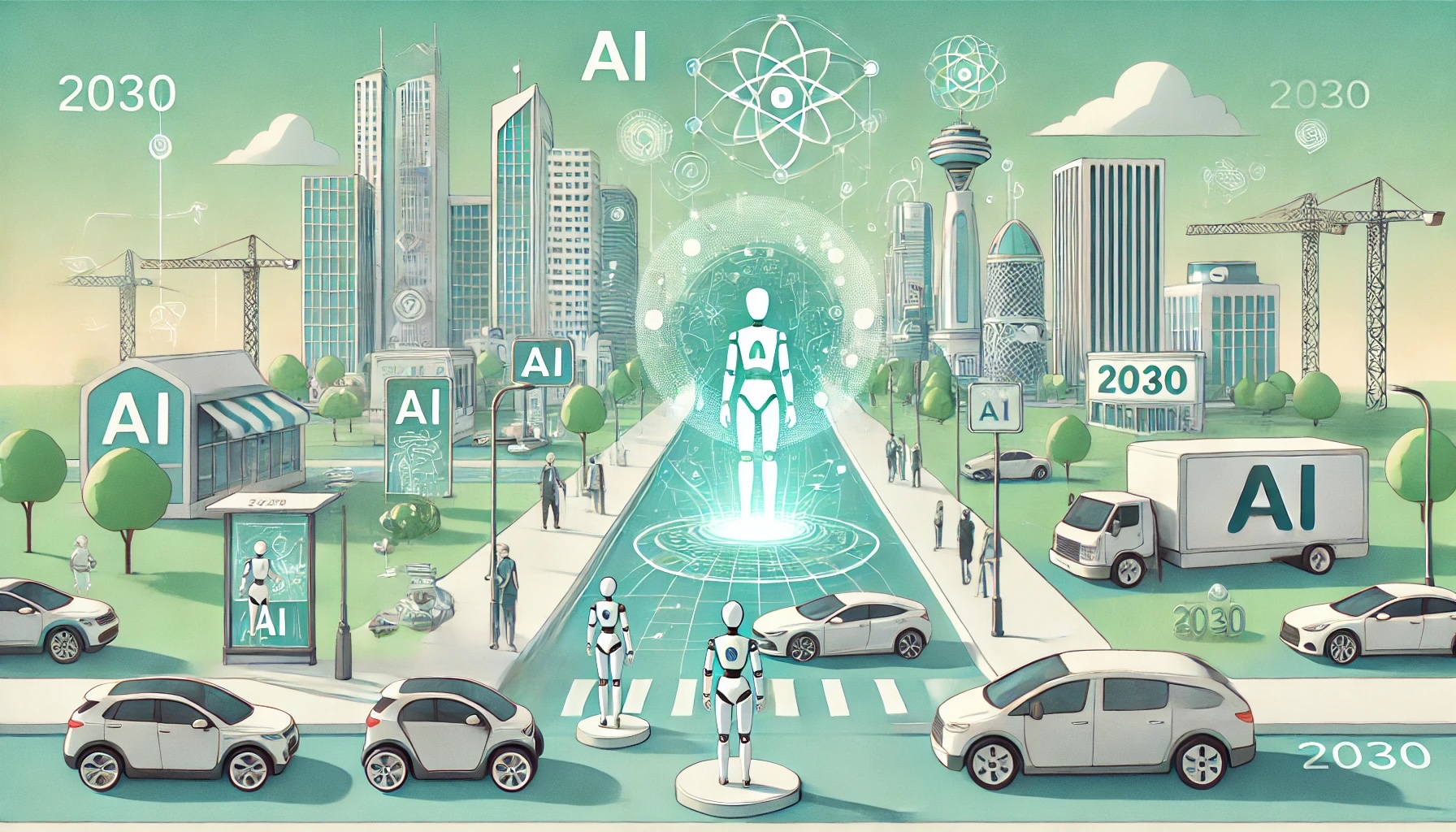
The next major evolution in AI is the rise of AI agents — systems that can autonomously take sequences of actions to complete complex tasks without constant human guidance. Unlike today's AI, which primarily responds to individual prompts, AI agents can browse the web, write and execute code, send emails, book appointments, and manage multi-step workflows on your behalf. By 2027, most productivity software will come with built-in AI agents that can handle routine tasks autonomously. The way we interact with computers will shift fundamentally — from manual input to goal-based delegation
Multimodal AI Will Become the Standard
Today's best AI models can already process text, images, audio, and video — but in 2026, most users still interact primarily through text. Over the next five years, multimodal AI will become the default interface. Imagine an AI assistant that can watch a video of your broken appliance and walk you through repairs, listen to your team meeting and generate an action list automatically, or read a legal contract while simultaneously cross-referencing case law.
Personalized AI Will Know You Better Than Any Tool Today
Current AI tools are relatively generic — they do not know much about your specific preferences, history, or context. Within five years, personal AI systems will build persistent memory of your life, work, and goals, allowing them to provide genuinely personalized advice, reminders, and creative assistance. Think of it as moving from a search engine to a personal chief-of-staff who knows your entire context and proactively helps you achieve your goals.
AI in Healthcare Will Save Millions of Lives
The healthcare applications of AI in the next five years may be the most impactful of all. AI diagnostic tools are already matching or exceeding human doctors in specific areas like radiology, pathology, and dermatology. By 2030, AI will likely be standard in every clinical workflow. AI-accelerated drug discovery is already reducing the time to develop new medicines from decades to years. This could lead to breakthroughs for diseases like Alzheimer's, certain cancers, and antibiotic-resistant bacteria.
AI Regulation Will Shape the Industry
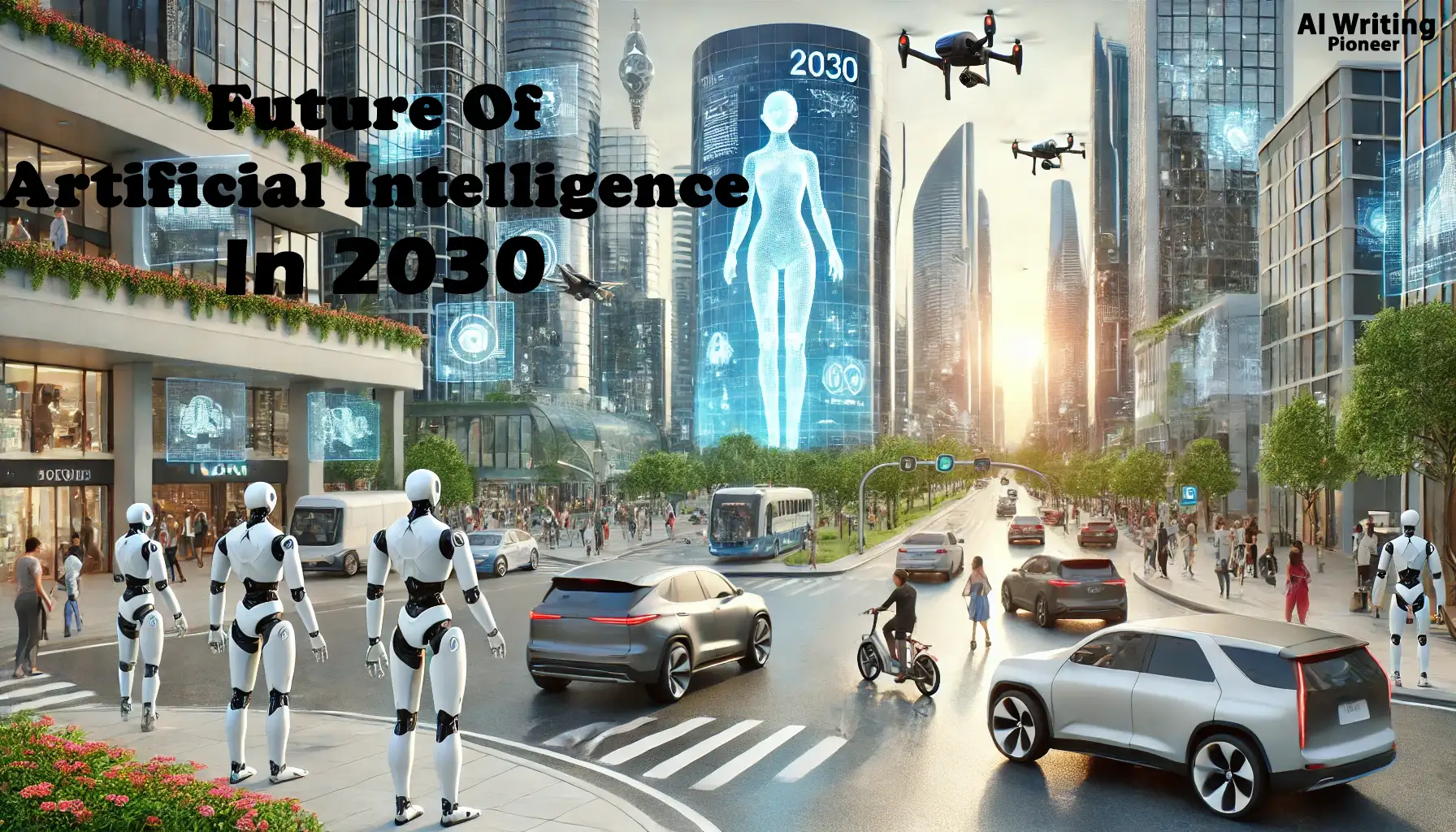
Governments around the world are racing to regulate AI before its most powerful applications arrive. The European Union's AI Act, which came into effect in 2024, is the world's first comprehensive AI regulation framework. The United States, China, and other major economies are developing their own regulatory approaches. By 2030, AI regulation will likely be as established as data privacy law is today. This will constrain some applications but also build the public trust needed for widespread AI adoption in sensitive sectors.
The Question of Artificial General Intelligence
The most debated question in AI is when — or whether — we will achieve artificial general intelligence (AGI): AI that matches human-level performance across all cognitive domains. Some leading AI researchers believe AGI could arrive within this decade. Others think it is decades away or fundamentally different from how we currently imagine it. What is certain is that as AI systems become more capable, the philosophical, ethical, and practical questions surrounding their autonomy, rights, and governance will become impossible to avoid.
What This Means for You
For most people, the AI of 2030 will feel as different from today's AI as today's AI feels from the internet of 2005. It will be woven into every app, device, and workflow in ways both visible and invisible. The people who benefit most from this transformation will be those who develop AI literacy now — who understand how these systems work, how to use them effectively, and how to evaluate their outputs critically. The future belongs to the curious and the adaptable.


Comments
Post a Comment